
How to Prove Fault in a Michigan T-Bone Accident
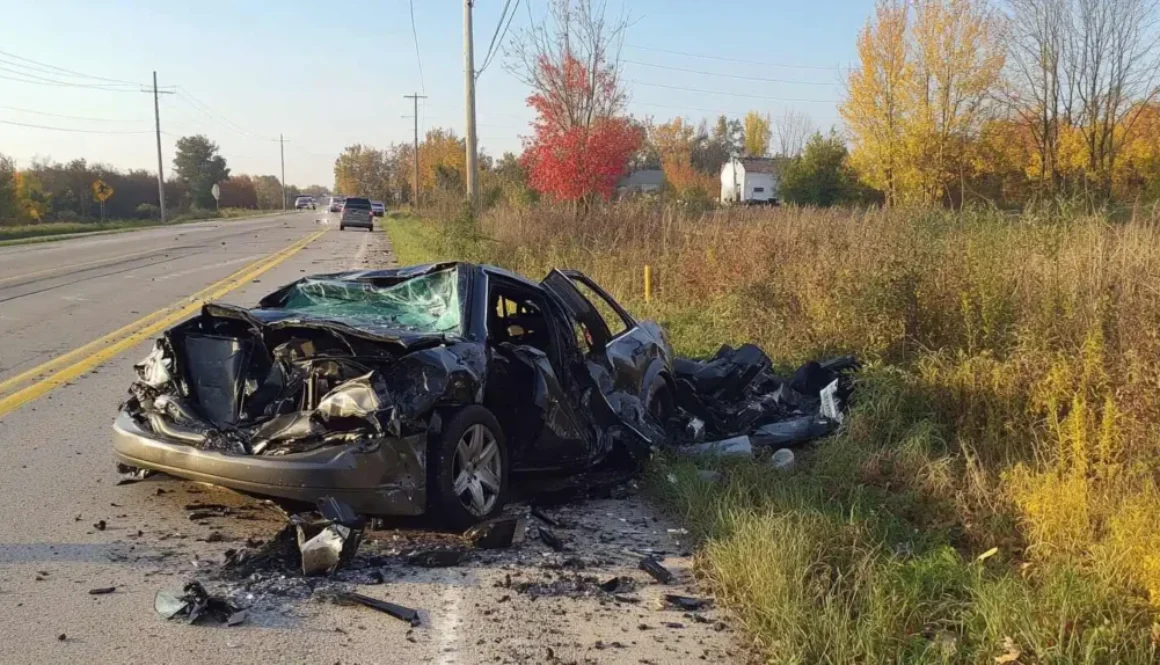
The screeching tires, the shattering glass, the crushing metal—few traffic incidents are as terrifying as T-bone collisions. In these side-impact crashes, one vehicle slams perpendicularly into the side of another, often at intersections where split-second decisions can mean the difference between safety and catastrophe. For Michigan residents dealing with the aftermath of such accidents, proving fault becomes a critical step in securing the compensation needed for recovery. But establishing liability in these complex scenarios requires specialized knowledge of Michigan’s unique traffic laws, insurance regulations, and evidence-gathering techniques. Furthermore, victims of T-bone collisions often face extensive medical costs and long-term rehabilitation needs, making it essential to navigate the legal landscape effectively. In addition to traditional car accident claims, individuals may also encounter crosswalk accident legal claims in Michigan, where pedestrian safety laws intersect with vehicle traffic regulations. Seeking legal representation can help ensure that victims receive the compensation they deserve while also holding negligent parties accountable.
Trusted Advocacy When Every Detail Matters
When the dust settles after a devastating side-impact collision, having experienced legal guidance can transform your recovery journey. At Hanflik Law, our award-winning legal team has spent over three decades mastering the intricacies of Michigan intersection accident cases. With the prestigious “AV” Martindale-Hubbell rating—the highest possible recognition for legal ability and ethical standards—our Flint-based attorneys bring unparalleled expertise to every T-bone accident case. Our $14 million settlement for a catastrophic injury case demonstrates our commitment to securing justice and maximum compensation for our clients when they need it most.
Understanding T-Bone Accidents: The Michigan Perspective
Michigan’s busy urban centers like Flint, Saginaw, and Detroit see hundreds of intersection accidents yearly, with T-bone collisions ranking among the most severe. These accidents occur when the front of one vehicle strikes the side of another, creating a “T” shape at impact—hence the name.
Common Causes of T-Bone Accidents in Michigan
These devastating crashes typically result from several key factors:
- Failure to yield right-of-way: A driver disregards traffic signals or signs
- Distracted driving: Cell phone use, adjusting controls, or other distractions
- Reckless driving: Excessive speed or aggressive maneuvers through intersections
- Weather conditions: Michigan’s severe winters create hazardous road conditions
- Drunk driving: Impaired judgment and reaction time
- Running red lights or stop signs: Blatant traffic violations
Understanding the precise cause of your accident is the first step toward establishing fault—and this is where thorough investigation becomes crucial.
Michigan’s Comparative Negligence Law: A Critical Factor
Michigan follows a modified comparative negligence system that significantly impacts T-bone accident claims. Under this system:
- Each party is assigned a percentage of fault based on their contribution to the accident
- Your compensation may be reduced by your percentage of fault
- If you’re found more than 50% at fault, you cannot recover non-economic damages (pain and suffering)
This framework makes proving the other driver’s predominant fault essential for maximizing your compensation. An experienced attorney can help prevent insurance companies from unfairly shifting blame to you—a common tactic that reduces their financial liability.
Gathering Critical Evidence: Building Your Case
The moments immediately following a T-bone collision present crucial evidence-gathering opportunities that can significantly strengthen your case later.
Essential Evidence from the Accident Scene
When possible, collect:
- Photographs: Document vehicle positions, damage patterns, skid marks, traffic signals, and the overall intersection
- Witness statements: Obtain contact information from bystanders who observed the collision
- Police reports: Ensure officers document the scene thoroughly
- Traffic camera footage: Request preservation of any intersection cameras
- Weather and road conditions: Note visibility, precipitation, or hazards
- Driver statements: Document any admissions made by the other driver
This immediate evidence often proves invaluable when reconstructing the accident sequence later.
The Power of Expert Witnesses in Michigan Cases
Complex T-bone accidents frequently benefit from specialized expert testimony to establish fault conclusively.
Types of Experts for T-Bone Accident Cases
- Accident reconstruction specialists: These experts analyze physical evidence to determine vehicle speeds, angles of impact, and driver reactions
- Traffic engineers: Can testify about intersection design, signal timing, and visibility issues
- Medical experts: Connect injuries to specific collision forces
- Vehicle design specialists: Evaluate crashworthiness and safety features
- Human factors experts: Explain perception-reaction time and driver behavior
At Flint accident injury firms like ours, relationships with qualified experts throughout Michigan provide clients with powerful advantages when building these complex cases.
Michigan Traffic Laws: The Foundation of Fault Determination
Michigan’s specific traffic regulations provide the legal framework for determining fault in T-bone collisions.
Key Michigan Traffic Laws for Intersection Accidents
- MCL 257.649: Details right-of-way requirements at intersections
- MCL 257.612: Covers obedience to traffic control devices
- MCL 257.651: Applies to intersections with stop signs
- MCL 257.650: Addresses entering highways from alleys or driveways
- MCL 257.627: Establishes reasonable speed requirements
Violations of these statutes often provide the clearest evidence of fault in T-bone accident cases. Our car accident attorneys understand how to effectively apply these laws to your specific situation.
Common Fault Scenarios in Michigan T-Bone Accidents
Certain patterns emerge frequently in Michigan T-bone collisions, each with specific fault implications.
Typical Liability Scenarios
- Red light violations: The driver who ran the red light is typically at fault
- Left turn failures: The turning driver generally must yield to oncoming traffic
- Stop sign incidents: Failure to stop or yield after stopping usually assigns fault
- Parking lot collisions: Right-of-way rules still apply in private lots
- Multi-vehicle chain reactions: Complex scenarios requiring thorough investigation
- Defective traffic signals: Potential government liability in rare cases
Understanding these common scenarios helps anticipate and counter defense strategies from insurance companies.
Dealing with Michigan Auto Insurance After a T-Bone Accident
Michigan’s unique no-fault insurance system creates additional complexities for accident victims seeking compensation.
Michigan’s No-Fault System and T-Bone Accidents
Under Michigan’s no-fault law, regardless of who caused the accident:
- Your own Personal Injury Protection (PIP) coverage pays for your medical expenses
- Your own insurance covers up to 85% of lost wages for up to three years
- Essential services benefits for household tasks you cannot perform
However, proving the other driver’s fault becomes critical for:
- Vehicle damage claims
- Pain and suffering compensation
- Excess economic losses beyond no-fault benefits
- Cases involving serious impairment or disfigurement
Recent changes to Michigan’s auto insurance laws make understanding these distinctions even more important when pursuing fair compensation.
The Role of Police Reports in Proving Fault
While not legally conclusive, police reports carry significant weight in determining fault for T-bone collisions.
Maximizing the Value of Police Documentation
- Ensure thorough reporting: Provide officers with your complete account
- Note officer observations: Traffic violations, sobriety tests, or citations
- Report discrepancies: Address any inaccuracies through formal amendments
- Understand limitations: Reports may not capture all contributing factors
- Supplement with additional evidence: Don’t rely solely on the police report
Our personal injury attorneys know how to effectively use police reports while addressing any limitations they may present.
Medical Evidence: Connecting Injuries to Fault
Specific injury patterns in T-bone accidents often provide powerful evidence regarding impact dynamics and fault.
Injury Patterns as Evidence
- Side-impact injuries: Typically affect the occupant on the struck side
- Deployment patterns: Airbag activation sequences reveal impact directions
- Severity correlation: Injury severity often matches impact force
- Consistent documentation: Medical records should align with accident mechanics
- Expert interpretation: Medical professionals can connect specific injuries to collision dynamics
For victims suffering head, neck and brain injuries or back and spinal cord injuries, this medical evidence becomes particularly crucial in establishing both fault and damages.
Advanced Investigation Techniques for Complex Cases
Some T-bone accidents require sophisticated investigation methods to establish fault conclusively.
Cutting-Edge Investigation Approaches
- Event data recorder analysis: “Black box” data from vehicles
- Digital accident reconstruction: Computer modeling of collision dynamics
- Forensic photography: Enhanced imaging of subtle evidence
- Cellphone records: Establishing distracted driving
- Surveillance compilation: Gathering footage from multiple sources
These advanced techniques can reveal crucial details that might otherwise remain hidden, particularly in cases with conflicting accounts.
Challenging Fault Determinations: Fighting for Justice
When insurance companies wrongfully assign fault to you after a T-bone collision, strategic response becomes essential.
Effective Strategies for Disputing Fault
- Independent investigation: Gathering evidence beyond the initial police report
- Strategic witness preparation: Ensuring accurate testimony
- Expert rebuttal: Countering opposing experts with specialized knowledge
- Physical evidence preservation: Maintaining vehicles and other evidence
- Accident scene revisitation: Documenting visibility, timing, and other factors
Our Flint legal team has successfully challenged fault determinations in numerous complex intersection accidents throughout Michigan.
Michigan’s Mini-Tort Provision: Recovering Vehicle Damage
Michigan’s mini-tort provision offers a pathway for recovering vehicle damage costs in T-bone accidents.
Understanding Mini-Tort Claims
- Limited recovery: Up to $3,000 for vehicle damage not covered by insurance
- Fault requirement: You must prove the other driver was at least 50% at fault
- Documentation needs: Repair estimates and proof of out-of-pocket expenses
- Filing process: Can be handled directly or through your attorney
- Limitations: Does not address injuries or other damages
This provision provides an additional avenue for compensation that complements broader claims for serious injuries.
The Statute of Limitations: Critical Timing for Michigan Claims
Michigan law establishes strict deadlines for filing T-bone accident claims.
Key Deadlines to Remember
- Three years: General statute of limitations for personal injury claims
- One year: Deadline for filing no-fault benefits claims with your insurer
- 60-120 days: Notice requirements for claims involving government vehicles
- Mini-tort claims: Must be filed within three years
Missing these deadlines can permanently forfeit your right to compensation. Attorney Henry M. Hanflik ensures clients understand and meet all required deadlines while building their cases.
Local Court Considerations: Venue Matters
T-bone accident cases in different Michigan jurisdictions face varying procedural requirements and jury tendencies.
Regional Legal Variations
- Genesee County courts: Local procedures for Flint-area accidents
- Saginaw County proceedings: Different judicial expectations
- Lapeer County considerations: Rural intersection cases
- Urban vs. rural differences: Impact on liability assessment
- Jury pool tendencies: How local attitudes affect outcomes
With offices serving Saginaw, Lapeer, Flushing, and other Michigan communities, our attorneys understand these regional variations that can significantly impact your case.
Settlement Negotiation Strategies in Fault Disputes
Most T-bone accident cases resolve through settlement rather than trial, making negotiation skills crucial.
Effective Negotiation Approaches
- Comprehensive demand packages: Presenting compelling evidence of fault
- Strategic timing: When to negotiate versus when to litigate
- Expert integration: Leveraging expert opinions in negotiations
- Damage documentation: Connecting fault to specific injuries and losses
- Comparative negligence preparation: Addressing potential shared fault
Our experienced team, including attorney Kurtis Brown, brings decades of negotiation expertise to achieve optimal settlements for T-bone accident victims.
Trial Preparation: When Litigation Becomes Necessary
When settlement negotiations fail to produce fair results, thorough trial preparation becomes essential.
Building a Compelling Trial Case
- Jury-friendly evidence presentation: Making complex details accessible
- Witness preparation: Ensuring effective testimony
- Visual demonstrations: Accident reconstructions and exhibits
- Expert testimony coordination: Maximizing impact of specialized knowledge
- Anticipating defense strategies: Preparing effective counters
Our trial-tested attorneys have secured numerous favorable verdicts in complex intersection accident cases throughout Michigan.
The Importance of Local Knowledge in Michigan T-Bone Cases
Local knowledge provides significant advantages when proving fault in T-bone accidents across different Michigan communities.
The Local Advantage
- Intersection familiarity: Understanding problematic Michigan crossroads
- Relationship with local investigators: Facilitating evidence gathering
- Court experience: Familiarity with local judges and procedures
- Expert connections: Relationships with respected Michigan experts
- Community understanding: How local factors impact cases
With offices throughout Michigan, including Bad Axe and Caro, we bring localized expertise to every T-bone accident case we handle.
Success Stories: Justice for Michigan T-Bone Accident Victims
Our firm has secured significant results for T-bone accident victims throughout Michigan.
Notable Outcomes
While each case is unique, our track record includes numerous successes for intersection accident victims, including substantial settlements for cases involving:
- Red light violations at major Flint intersections
- Drunk driving T-bone collisions causing catastrophic injuries
- Left-turn failures resulting in side-impact crashes
- Commercial vehicle intersection accidents
- Multiple-vehicle chain-reaction collisions beginning with T-bone impacts
These successes demonstrate our commitment to establishing fault and securing justice for accident victims throughout Michigan.
Securing Your Future After a T-Bone Collision
Proving fault in a Michigan T-bone accident requires specialized knowledge, strategic evidence gathering, and experienced legal advocacy. The complexity of these cases—combined with Michigan’s unique insurance and negligence laws—makes professional representation invaluable for victims seeking fair compensation.
At Hanflik Law, we’ve spent over 35 years helping T-bone accident victims throughout Flint, Saginaw, Lapeer, and all of Michigan navigate these challenging cases. Our comprehensive approach to proving fault—from immediate evidence preservation through expert testimony and strategic negotiation—has secured millions in compensation for our clients.
If you or a loved one has been injured in a T-bone collision, our experienced team is ready to evaluate your case, explain your options, and fight for the compensation you deserve. We handle all aspects of your claim while you focus on recovery.
Don’t face the challenge of proving fault alone. Contact us today at 810-720-4000 for a free consultation and discover how our experienced Michigan truck accident, motorcycle accident, and car accident attorneys can help secure the justice and compensation you deserve after a devastating T-bone collision.